Common Dental Procedures Explained: What You Can Expect During Your Appointment
Understanding frequently performed dental procedures can significantly alleviate stress for individuals. Many individuals remain unsure about what will happen during their dental appointments. From basic cleanings to intricate procedures, each step is critically important in maintaining oral health. Having knowledge of these steps can cultivate a sense of ease and address common fears. Yet what truly takes place during these dental treatments, and how can a patient prepare for them? Such information may deliver the peace of mind needed for a more comfortable experience.
What to Expect During the Root Canal Process
What happens during a root canal procedure? The process typically begins with the dentist administering local anesthesia to numb the affected area. Once the patient is comfortable, the dentist creates an opening in the tooth to access the pulp chamber. The irritated or infected pulp is then methodically eliminated with the use of specialized equipment. After cleaning and shaping the root canals, the dentist disinfects the area to eliminate bacteria.
Following this, the canals are sealed with a biologically compatible material called gutta-percha to close them off and guard against future infection. The opening is temporarily closed, and the patient may be advised to schedule a follow-up appointment for a crown or definitive restoration to restore the tooth's structure and function. Throughout the procedure, the dentist guarantees that the patient stays at ease, handling any issues that may come up. Ultimately, the goal is to relieve discomfort and save the natural tooth.
How to Prepare for Tooth Extractions: Key Information
Planning for a tooth extraction entails several important considerations to secure a successful procedure and healing process. First, patients should schedule a consultation with their oral care provider to go over their health history, prescribed medications, and potential allergies. This data is essential for establishing the correct anesthetic approach and foreseeable complications.
Patients are often advised to avoid eating or drinking for several hours before the treatment, especially if anesthesia will be administered. Additionally, arranging for transportation home following the procedure is necessary, as sedation can impair the ability to drive.
Patients are advised to plan for a healing period, allocating time to rest and adhere to post-surgical care guidelines. This can involve controlling discomfort with prescribed medications and following dietary guidelines, such as eating soft foods.
A Guide to Fillings: Understanding When and Why They Are Needed
Dental fillings are essential for restoring teeth that have been damaged by cavities, decay, or trauma, as they aid in preserving oral health and reducing the risk of additional complications. When a dentist identifies a cavity, the decayed portion of the tooth is removed, and the space is filled with a suitable material. Common filling materials include amalgam, composite resin, and gold, each providing different benefits regarding durability and aesthetics.
Fillings are necessary not only to alleviate pain caused by decay but also to prevent bacteria from entering the tooth, which could lead to more severe issues such as infections or tooth loss. Routine dental visits can assist in detecting the necessity for fillings at an early stage, guaranteeing prompt treatment. Individuals might notice some sensitivity following the procedure, though this generally fades within a couple of days. Understanding the purpose and process of fillings can ease anxiety and promote proactive dental care.
What to Expect During a Routine Dental Cleaning?
While many individuals may feel apprehensive about their upcoming appointment, having a regular dental cleaning can be an uncomplicated and valuable procedure. Upon arrival, patients typically complete a health questionnaire and may discuss any concerns with the dental hygienist. The cleaning itself usually begins with a thorough examination of the teeth and gums.
Next, the hygienist uses specialized tools to get rid of plaque and tartar deposits from the dental surfaces. This dental scaling is frequently accompanied by a light polishing with a fine-grit toothpaste, giving teeth a smooth and clean finish. Patients may also receive flossing and guidance on proper dental hygiene techniques to keep up with oral health at home.
Finally, the dentist will perform a concise examination, giving feedback and recommendations for ongoing care. Ultimately, regular dental cleanings not only strengthen oral health but also significantly contribute to lasting dental health.
Why Dental X-Rays Are Key to Your Oral Health
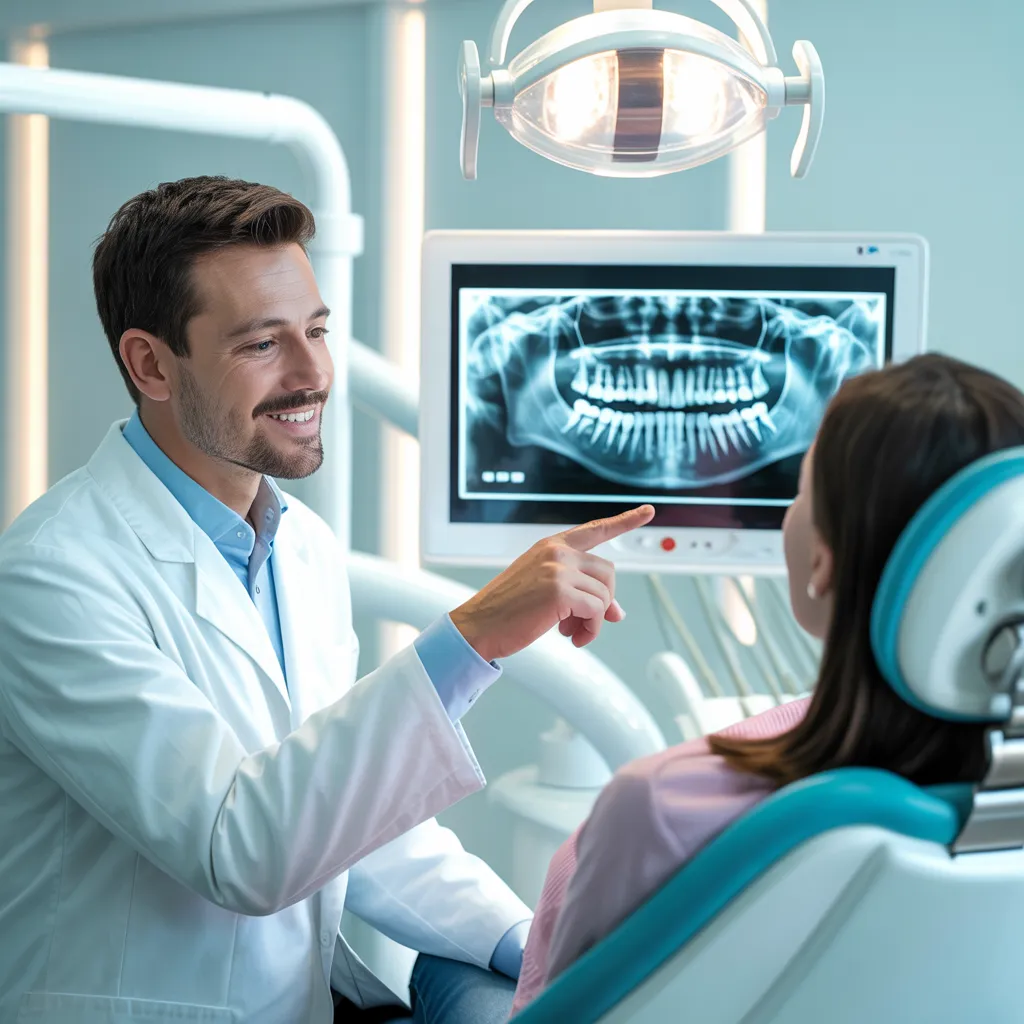
Dental X-rays serve a vital function in maintaining oral health by revealing hidden issues that may not be visible during a regular dental checkup. They enable dental professionals to observe a patient's dental condition over time and strategically plan upcoming treatments. Appreciating the value of these imaging methods is essential for ideal dental care.
Identifying Hidden Concerns
When patients visit their dentist for routine check-ups, the importance of dental X-rays often becomes apparent, as these scans uncover concealed problems that may go unnoticed during a routine check-up. Dental X-rays are vital tools for detecting cavities between teeth, monitoring overall bone density, and uncovering infections within tooth roots. Such scans are also capable of exposing concerns like impacted wisdom teeth or structural jaw irregularities. By offering a more detailed look at the oral cavity's inner workings, X-rays allow dentists to craft precise treatment approaches tailored to individual needs. In the absence of these essential scans, a wide range of dental issues could easily be overlooked, causing considerably more serious problems down the line. Regular X-ray evaluations are essential for maintaining ideal dental health and key information avoiding complications later on.
Tracking Dental Health
Regular dental appointments frequently include X-rays as a fundamental aspect of overseeing oral wellness. These radiographic methods enable dentists to identify conditions that remain hidden during a standard examination, including cavities, bone degradation, and abnormalities affecting tooth roots. Through offering a comprehensive look at oral structures, X-rays enable prompt identification and care, which may avert more severe dental issues. They also help in evaluating the success of current dental procedures and making certain that shifts in dental health receive immediate attention. Consistent radiographic assessments support a proactive approach in maintaining dental health, guaranteeing individuals obtain personalized treatment suited to their unique requirements. Overall, X-rays are essential tools for safeguarding long-term oral health.
Preparing for Future Treatments
A thorough understanding of oral health relies heavily on the information delivered by dental X-rays. These images serve as a vital tool for dentists in planning future treatments. By exposing problems that are often invisible during a conventional examination, X-rays are able to detect cavities, bone deterioration, and various dental issues at an early stage. This data allows dental professionals to develop customized treatment strategies, facilitating timely measures that can reduce the risk of more significant complications. Additionally, X-rays help in monitoring the effectiveness of ongoing treatments and adapting strategies as necessary. Ultimately, incorporating dental X-rays into routine check-ups not only enhances patient care but also promotes long-term oral health by enabling proactive management of potential concerns.
Tips to Ease Dental Anxiety Before Your Visit
How can patients effectively manage their dental anxiety before an appointment? A helpful approach is to book appointments during quieter periods to reduce stress. Engaging in relaxation techniques, such as deep breathing or visualization, can also help calm nerves. Patients may consider bringing a support person to provide comfort and distraction.
Additionally, getting accustomed to the dental office environment can reduce fear. It is often helpful to talk about worries with the dentist beforehand, providing a more thorough understanding of the procedures involved. Playing music or audio content during the appointment can act as a helpful way to stay relaxed.
To conclude, setting up a communication system with the dentist for time-outs can create a feeling of control. In summary, these methods allow patients to confront their anxiety, helping make dental sessions more comfortable and less stressful.
Common Questions and Answers
How Often Should I Schedule Dental Check-Up Visits?
The majority of dental professionals suggest having dental examinations twice a year. Nevertheless, individuals with specific dental issues or higher risk factors might require additional appointments to ensure proper oral health and reduce the risk of future issues.
What Can I Do to Maintain Oral Hygiene at Home?
To keep up with oral hygiene at home, one should brush twice daily with fluoride toothpaste, floss every day, gargle with an antibacterial mouthwash, limit sugary foods, and book periodic dental check-ups for professional guidance and care.
Are Dental Procedures Painful, and How Is Pain Managed?
Dental work can sometimes lead to discomfort, but pain relief methods, such as sedation and local anesthesia, are frequently utilized. Dentists examine each patient's needs to provide a more comfortable visit during treatments, effectively reducing potential discomfort.
What Should I Consume or Avoid After Dental Treatments?
Post dental treatments, patients should select soft foods like soft dairy products and pureed fruits while avoiding hard, crunchy, or spicy items. Maintaining proper hydration through water intake is important, and hot beverages should be avoided to minimize pain and discomfort.
How Do I Locate a Quality Dentist Near Me?
To locate a quality dentist, individuals can seek recommendations from friends or family, browse online testimonials, and check local dental associations. Scheduling consultations can also help assess compatibility and comfort with potential dental professionals.